Key Takeaways:
- Not every ant sighting is cause for alarm. A few ants here and there are often temporary and may disappear on their own.
- Repeated daily sightings of ants inside food containers or around the kitchen can indicate a colony living inside your walls.
- The level of concern often depends on where ants are appearing in your home.
- Most household ants are more of a nuisance than a threat, though Carpenter Ants and Fire Ants are exceptions to watch for.
- Contact a professional immediately if you notice winged ants, piles of wood shavings, or ants in the attic, as these signs often indicate long-term nesting.
Determining When Ants Are a Concern Indoors
Whether ants are a cause for concern depends on where they appear and how often. Spotting a single ant or a few strays in your kitchen may be harmless, as these visits are often brief and temporary. However, repeated sightings or signs of a hidden colony can indicate a larger problem. Understanding these distinctions is key to preventing damage before it spreads.
With guidance from Twin Forks Pest Control®, homeowners in Southold and Southampton can learn to differentiate between minor ant activity and infestations that need professional attention. Our tips help you know when to clean up and when to take action to keep your home safe.
How Worried Should You Be About Ants? A Guide by Severity
Are the ants you’re seeing simply foraging for food, or are they hinting at a larger infestation inside your home? This distinction matters more than most people think. Knowing why the ants are present can prevent serious issues later. How you respond should be guided by the story the ants are telling.
If you live in Southold and Southampton, spotting an ant indoors is fairly common. The key is knowing how seriously to react. Think of it on a scale from 1 to 10, where 1 means ”no concern”, and 10 means it is “time for immediate action”:
Level 1-3 (Based on Your Comfort Level)
At this stage, you’re likely seeing only a few ants wandering around. While they can be annoying, they aren’t causing harm or posing a threat. Many homeowners can ignore this level of activity. These levels are often defined by:
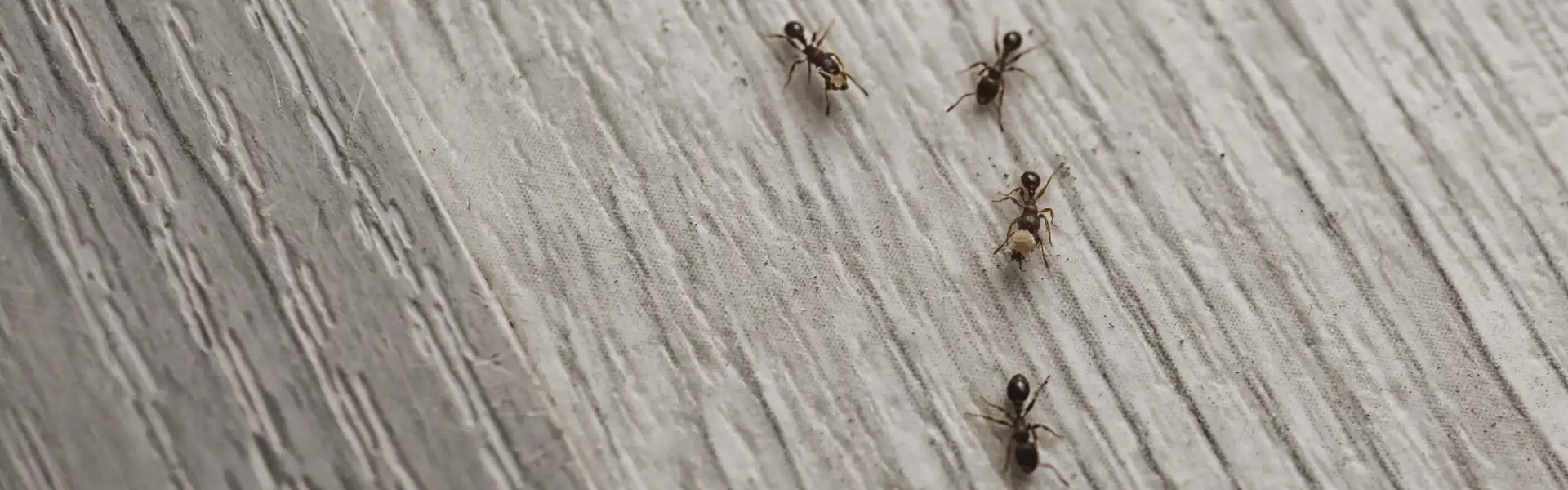
- What it Looks Like: You might notice a single “scout” ant or a couple near a doorframe or window sill. Occasionally, a short trail may appear after heavy rain or a heatwave as ants move from outdoor colonies seeking shelter.
- Who They Are: These are generally nuisance ants like Pavement Ants or Odorous House Ants, which give off a faint rotten coconut smell if crushed. They aren’t aggressive and pose minimal risk, but they tend to show up in kitchens and bathrooms where food and moisture are available.
- Next Steps: Keep an eye on the activity for now. These ants are usually just exploring for food or shelter and will often vanish on their own without requiring further action.
Level 4-7 (Consider Calling Pest Management)
The ant problem has moved beyond casual visits and now feels like a full-blown infestation. Even people who normally ignore ants are starting to take notice. At this stage, issues around hygiene, food contamination, and removal difficulty become top concerns. These levels are often characterized by:
- What it Looks Like: Ants are showing up daily, sometimes multiple times a day. You might see them inside food containers, crawling over dishes, or congregating around sinks and other damp areas.
- What it Means: This usually signals that a satellite colony has taken hold within wall voids or other hidden spaces. The ants are no longer just visitors—they have established a home indoors.
- Next Steps: DIY sprays often provide only temporary relief, as they rarely reach the hidden nest. Ant baits may reduce activity somewhat, but if the infestation persists, professional help is recommended to eliminate the colony and protect your food.
Level 8-10 (Serious Threat)
When ants reach this stage, the problem goes beyond irritation and poses real hazards. Both your property and loved ones may be at risk. Below are the signs and actions that define these levels:
- Who They Are: These ants are usually large black Carpenter Ants or aggressive red Fire Ants, both of which can cause serious problems if left unchecked.
- What to Look For: Spotting winged ants (swarmers) inside your home is a sign that a mature colony is nearby. For Carpenter Ants, check for tiny piles of wood shavings (frass) along baseboards. They are sometimes mistaken for termites, so careful identification is important.
- Next Steps: Fire Ants can deliver painful stings, while Carpenter Ants can damage wood structures and lead to costly repairs. Acting quickly with professional ant control is critical to prevent further issues.
Breaking Down Ant Concerns Based on Where You Find Them
The location of ant sightings matters a lot. Spotting an ant in the basement is very different from seeing one crawling across your pantry shelves. Even a few ants can point to a bigger problem depending on where they appear. Use this guide to assess the situation:
- How Concerned Should You Be About Ants in Your Kitchen?
Concern Level: Moderate: The kitchen is a prime target for ants because of all the food available. If you notice them here, they’re likely searching for sweets, grease, or moisture. While structural damage is uncommon, these ants can pose a sanitation concern. They may track bacteria from unclean surfaces directly onto your counters and food prep areas.
- How Concerned Should You Be About Ants in Your Bathroom?
Concern Level: Moderate to High: Bathroom ants are usually after moisture, not food. Persistent activity could mean a leak or water-damaged wood behind walls or under the sink. Damp spots like these are prime nesting sites for Carpenter Ants.
- How Concerned Should You Be About Ants in Your Basement?
Concern Level: Low to Moderate: Ants frequently enter homes through basements, with unfinished areas being the easiest targets. They tend to travel through cracks in the foundation or spaces around plumbing. When there’s no obvious trail to the main floor, closing these gaps is often all that’s needed.
- How Concerned Should You Be About Ants in Your Attic?
Concern Level: High: The attic is often overlooked, so ants found there may have been living there for months. Carpenter Ants find it ideal for setting up a main colony within the insulation or structural beams. Because these infestations can grow without detection, discovering ants in this area is a sign to get professional help.
Are Ants Capable of Harming Your Home?
Not all ants pose a risk to your home’s structure. Species like the Little Black Ant are mostly harmless, seeking food rather than creating damage. They may frequent kitchens, bathrooms, and other areas where crumbs and moisture are common, but they rarely harm wood. Carpenter Ants, however, are capable of serious damage when they establish colonies inside structural wood.
Carpenter Ants don’t consume wood like termites; instead, they hollow it out to build their nests. They often target beams, window sills, door frames, and wall studs, creating tunnels that can compromise the strength of these structures. Even small infestations can grow quickly, making early detection key to preventing extensive damage.
Frass, fine wood shavings that collect beneath affected wood, is often the first visible warning of a Carpenter Ant colony. Spotting these piles early is crucial. Contacting a professional at the first sign of frass can protect your home and stop the infestation from spreading.
Are Ants Harmful to Humans and Pets?
Most ants spotted inside your home or garden are not harmful. Their bites rarely break the skin, and while they can be bothersome, they do not pose a serious threat to you or your family.
Fire Ants are a dangerous exception. Disturbing their mound can trigger swarming attacks and painful stings. In addition to causing pustules, their stings can provoke allergic reactions in some people and pets. Any Fire Ant activity in your home or yard should be addressed without delay.
Are Ants a Serious Threat in Southold and Southampton?
Most ants are simply a nuisance rather than a serious threat. How concerned you should be depends on the species you’re dealing with and your personal tolerance. Carpenter Ants can damage the structural integrity of your home, while Fire Ants pose a risk to pets and people with their painful stings. Identifying the type of ant is key to knowing how to respond.
When it’s time to take action, Twin Forks Pest Control® is here to help. We provide reliable ant control services in Southold and Southampton, using effective methods that keep your home safe and pest-free.
Contact Twin Forks Pest Control® today so our experts can identify the pests, assess the risk, and restore your home to a pest-free state.