Hamptons & East End Long Island Flea Extermination
Serving Southold & Southampton
A few fleas can become a much bigger problem than you might expect. These tiny parasites feed on blood and can cause uncomfortable bites and persistent itching in both pets and people. Because fleas reproduce quickly, infestations can become increasingly difficult to manage if they are not addressed promptly.
And while fleas are commonly associated with dogs and cats, they can also live throughout the home. Flea eggs, larvae, and pupae may develop in carpeting, upholstered furniture, bedding, and other areas frequented by pets. Fleas can also be brought onto a property by rodents and wildlife.
Twin Forks Pest Control® can help if fleas have become a problem in your Hamptons or Eastern Long Island home. Our technicians can determine where flea activity is occurring and develop a treatment plan designed to address the infestation.

Leave your information below and we’ll be in touch shortly. After hours calls will be returned the next business day.
How Do I Know If I Have a Flea Infestation?
A change in your pet’s normal grooming habits can be an early warning sign of fleas. Dogs and cats may scratch, bite, lick, or groom themselves more frequently, and persistent flea activity can leave the skin irritated or covered with small scabs. People can be bitten by fleas as well, with itchy bites commonly appearing on the ankles, lower legs, or other exposed areas.
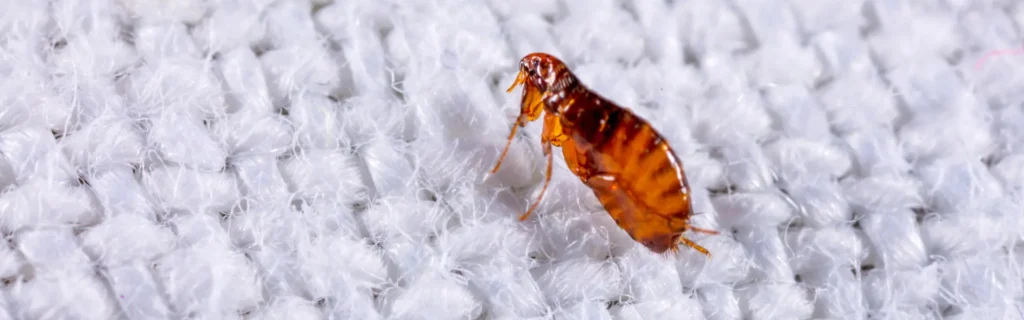
Adult fleas are small and dark, but you can usually see them with the naked eye. They also jump well, making them difficult to catch or eliminate by hand. Check your pet’s fur and inspect bedding, carpets, and furniture where your pet spends time. Flea dirt, which looks like tiny dark specks, can provide another clue that fleas are present.
It is important to remember that the fleas you see are only the adult stage of the pest’s life cycle. An infestation may also include eggs, larvae, and pupae hidden throughout the environment, allowing new adult fleas to emerge even after the visible fleas have been removed.

How Do Fleas Get Into Your Home?
Pets are one of the most common ways fleas make their way into a home. Dogs and cats can pick up fleas outdoors and bring them inside, particularly after spending time in areas where infested animals have been present. However, pets aren’t the only source. Rodents, birds, squirrels, raccoons, and other wildlife can also carry fleas onto a property if they enter or regularly visit the area around your home.
Fleas can also become established in outdoor areas where pets spend time. If that happens, a pet may continue picking up new fleas even after being treated for the ones already on its body. For this reason, effective flea control may require addressing both indoor and outdoor sources of flea activity to help prevent the infestation from returning.
The 4 Stages of the Flea Life Cycle
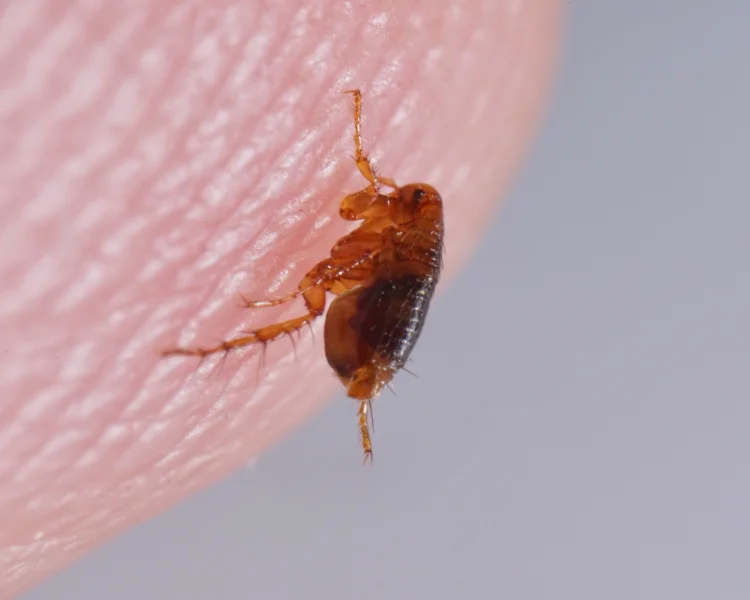
Flea infestations can be difficult to eliminate because adult fleas are only one part of the problem. Much of a flea infestation may consist of less noticeable stages hidden throughout the environment. Fleas develop through 4 distinct stages:
- Egg: Adult females lay eggs after feeding. The eggs can fall from an animal into carpeting, bedding, furniture, and other areas.
- Larva: Flea larvae develop in protected areas and feed on organic material, including flea waste.
- Pupae: The larval stage eventually develops into a pupa inside a protective cocoon. Pupae can remain dormant until conditions are favorable for adult fleas to emerge.
- Adult: Adult fleas emerge from their cocoons and seek a host for a blood meal.
This life cycle explains why eliminating the adult fleas you see may not be enough. Eggs, larvae, and pupae can remain hidden in the environment and eventually develop into new adults.
Where Fleas Hide and Breed
Fleas and their immature stages are often found in areas where pets spend time. Common locations include:
- Carpeting and rugs
- Pet bedding
- Upholstered furniture
- Areas underneath furniture
- Cracks and crevices
- Along baseboards
- Pet resting areas
- Sheltered outdoor areas
Regular cleaning can help reduce flea activity, but an established infestation may require professional treatment to address the problem more thoroughly.
How to Eliminate a Flea Infestation
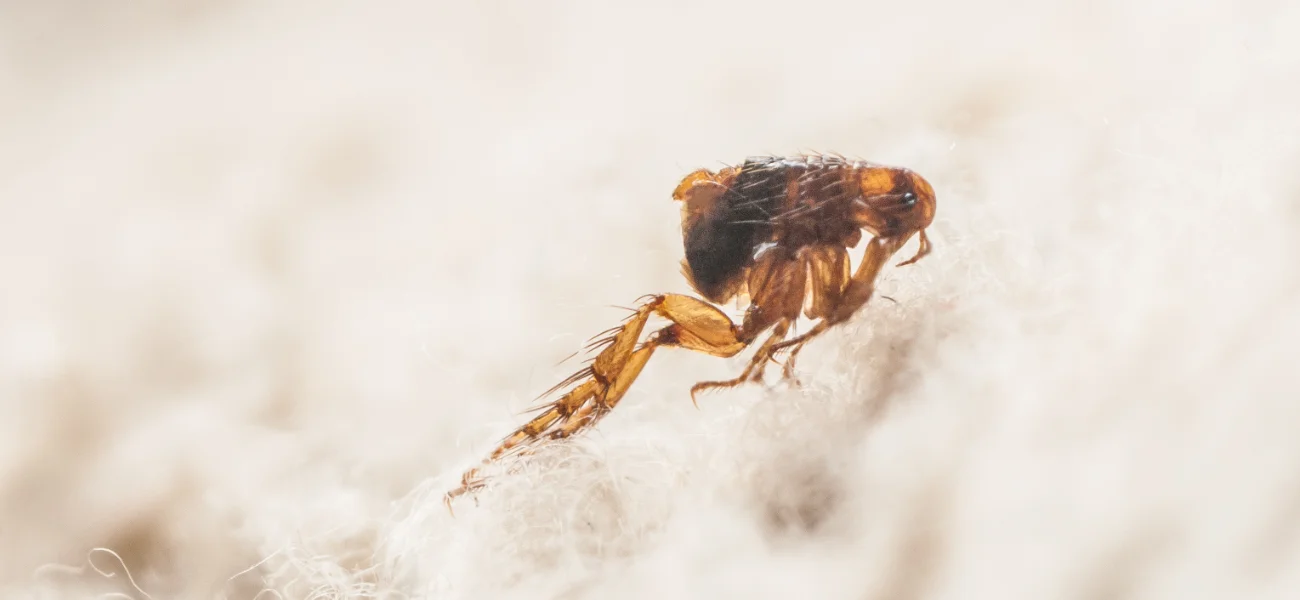
A flea infestation is not always solved by killing the adult fleas that are easy to find. Because fleas pass through several stages before becoming adults, eggs, larvae, and pupae may remain hidden in carpeting, furniture, bedding, and other areas. Addressing these environmental sources is an important part of effective flea control.
You can help manage an infestation by vacuuming carpets and furniture regularly, cleaning or laundering pet bedding, and making sure your pets receive appropriate flea protection. A veterinarian can help you determine the best flea-control options for your dog or cat.
If flea activity persists after these measures, professional assistance may be needed. Twin Forks Pest Control® can inspect the property to determine where fleas are active and recommend a treatment strategy tailored to the situation.
Leave your information below and we’ll be in touch shortly. After hours calls will be returned the next business day.
Flea Resources

Our Professional Flea Extermination Process
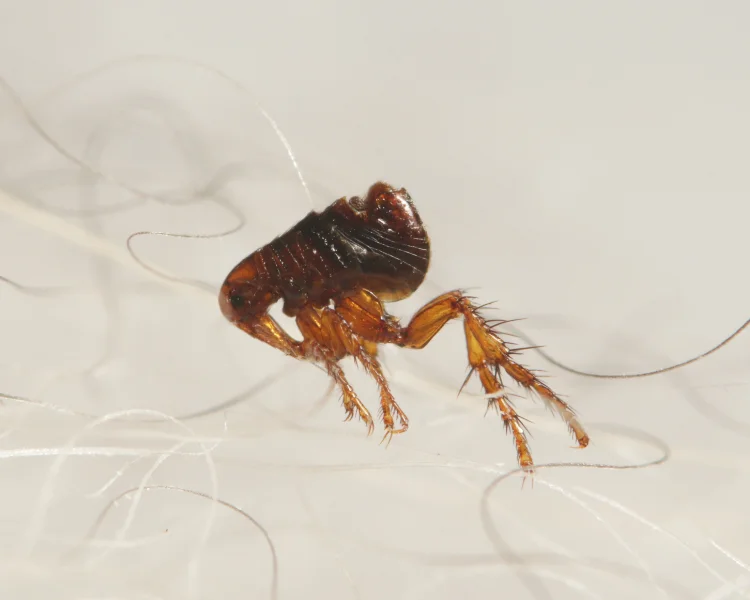
At Twin Forks Pest Control®, we take a thorough, systematic approach to flea control. We focus on identifying where flea activity is occurring and addressing the conditions that may be allowing the infestation to continue. Our professional process includes three key steps:
- Inspection: We inspect the home and relevant outdoor areas to identify signs of flea activity and potential sources. This includes looking at areas where pets spend time and identifying conditions that may be contributing to continued flea activity.
- Treatment: Based on our findings, our technicians develop a targeted treatment plan for the affected areas. Treatment focuses on disrupting the flea life cycle and addressing flea activity where it is occurring. Depending on the circumstances, this may include appropriate indoor and outdoor treatments.
- Prevention: Flea control does not end with treatment. Our technicians can provide recommendations to help reduce the risk of future flea problems, including guidance regarding pets, outdoor areas, and conditions that may contribute to reinfestation.
Why Choose Twin Forks Pest Control® for Flea Control?
A flea infestation can be frustrating, particularly when fleas continue appearing after you thought the problem was gone. Twin Forks Pest Control® provides professional flea control designed to address the infestation systematically rather than focusing only on the adult fleas that are easiest to see. When you choose us, you can expect:
- Thorough Inspection: We look for flea activity and potential sources throughout relevant areas of your property.
- Targeted Treatment: Our technicians focus treatment on areas where flea activity is occurring.
- Clear Communication: We explain our findings, treatment recommendations, and what you should expect before and after service.
- Professional Expertise: Our technicians understand flea behavior and the challenges associated with controlling the different stages of the flea life cycle.
- Prevention Guidance: We provide recommendations to help reduce the likelihood of future flea problems.

Frequently Asked Questions About Flea Control
With years of pest control experience in the Hamptons and Eastern Long Island, we understand how frustrating and stressful a flea infestation can be. Below, we’ve answered some common questions about flea behavior, biology, signs of an infestation, and flea control.
If you have additional questions or concerns about fleas in your home, don’t hesitate to contact Twin Forks Pest Control® today.
Can fleas live in my house without pets?
Yes. Although dogs and cats are common flea hosts, fleas can enter a home through wildlife, rodents, or people and can establish themselves in the environment. A home does not need to have pets for flea activity to occur.
Can fleas come from my yard?
Yes. Fleas can be present in outdoor areas, particularly where pets or flea-carrying wildlife spend time. Treating the source of outdoor flea activity can be an important part of preventing pets from continually bringing new fleas inside.
How do you prepare for interior flea control treatment?
Proper preparation is an important part of successful flea treatment. If you’re receiving interior service, please complete these steps before your scheduled appointment:
- Thoroughly vacuum all floors, especially areas where your pets sleep or spend time.
- Wash any affected pet bedding, or dispose of it if necessary.
- Vacuum upholstered furniture where pets are allowed, paying close attention to areas between and underneath cushions.
- After vacuuming, place the vacuum contents in a sealed plastic garbage bag and dispose of it in an outdoor trash receptacle to help prevent fleas from emerging.
- Remove boxes, clutter, and other items from rooms where pets spend time so technicians can access these areas.
- Everyone, including pets and birds, must leave the property during treatment. Fish may remain if their tanks or bowls are properly covered and air compressors are unplugged.
After interior flea treatment:
- Stay out of treated areas until the treatment has dried completely and follow your technician’s re-entry instructions.
- Keep babies and their toys off treated floors for at least 24 hours after the treatment has dried.
- Wait about one week before mopping floors or steam-cleaning carpets so the treatment has sufficient time to work.
- Don’t be concerned if you see a few adult fleas following treatment. Fleas may continue to emerge as previously developing stages reach adulthood.
- Use a vacuum to remove any adult fleas you find.
- Fleas on a pet do not automatically mean fleas are still established inside the home. Speak with your veterinarian about treating the animal.
What are the risks of having fleas in your home?
A flea infestation can involve more than itchy bites. Fleas can cause allergic reactions, transmit parasites, and contribute to other health concerns for people and pets. Understanding these risks can help protect your household:
- Disease Transmission: Fleas can carry and spread certain pathogens, including those associated with murine typhus, and can transmit tapeworms that affect both people and pets.
- Severe Skin Irritations: Flea bites can cause intense itching and scratching, potentially leading to flea allergy dermatitis in pets and secondary skin infections in people.
- Anemia in Pets: Since fleas feed on blood, a severe infestation can result in significant blood loss and anemia, especially in young kittens, puppies, and older animals.
- Rapid Household Spread: Female fleas can lay numerous eggs, allowing even a small number of fleas to quickly establish themselves in carpets, furniture, bedding, and other areas throughout the home.
Do I need to treat my pets?
Pets should be treated using products and methods appropriate for the animal. Talk with your veterinarian about the best flea-control options for your dog or cat. Professional pest control focuses on treating flea activity in the environment.
Call Twin Forks Pest Control® for Flea Control in the Hamptons and Eastern Long Island
Once fleas become established, they can be difficult to eliminate, but you don’t have to tackle the problem alone. At Twin Forks Pest Control®, we can inspect your property, identify areas contributing to flea activity, and develop a targeted treatment plan to help eliminate the infestation.
If you are dealing with fleas in your home or yard, call Twin Forks Pest Control® today to discuss your flea control needs and request a free estimate.
Leave your information below and we’ll be in touch shortly. After hours calls will be returned the next business day.
What They Say



Your Trusted Partner in Pest Protection
Leave your information below and we’ll be in touch shortly. After hours calls will be returned the next business day.


